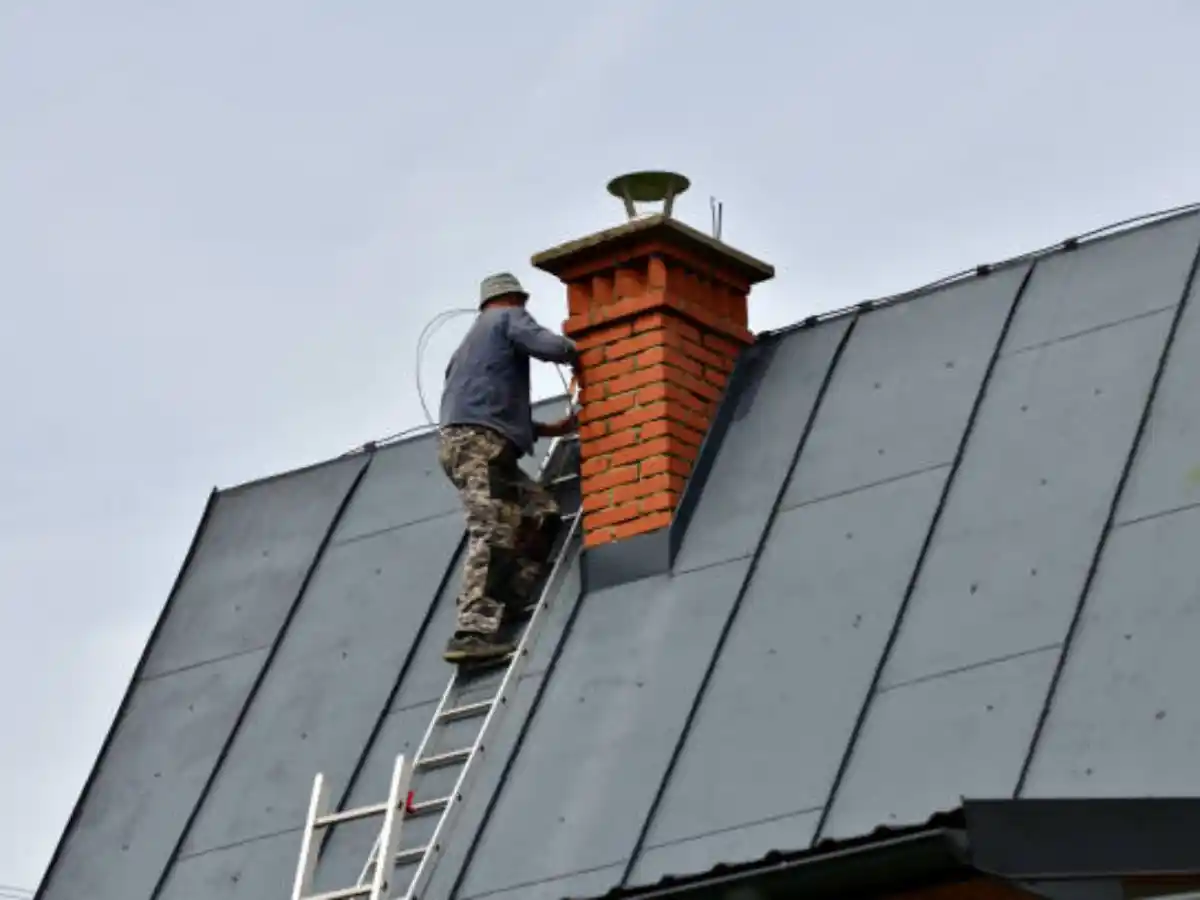
 Liberty Chimney Service
Smoke is more than gas. It carries tiny particles and vapors that cool as they climb the flue. On the cooler walls they condense and stick. Over a season, that film thickens.
The word for the result is creosote, and it is the main reason wood-burning chimneys need regular cleaning.
How creosote forms
A hot, well-fed fire sends most of its smoke straight out the top. A cooler, starved fire does not. The smoke slows, cools and leaves more of itself on the flue. Three conditions make the difference:
- Wet wood. Energy goes into boiling off water instead of heating the flue.
- Low air supply. A damper or air control closed too far gives incomplete combustion.
- Cold flue walls. Exterior chimneys and oversized flues cool smoke faster.
None of this means a clean chimney is guaranteed by good habits alone. Even careful burners collect some deposit every season, and the amount varies with the appliance, the flue size and the weather. That is why the inspection looks at the walls instead of assuming.
The three stages
Chimney professionals commonly describe creosote in three stages. The names vary a little between sources, but the progression is the same.
| Stage | Appearance | How it comes off |
|---|---|---|
| Stage 1 | Light, flaky soot or dust | Brushes away with standard tools |
| Stage 2 | Hard, shiny black flakes or chunks | Needs stiffer brushes or rotary tools |
| Stage 3 | Glazed, tar-like coating that looks wet or hardened | Very hard to remove; may require special treatment |
Stage 3 is the one that worries sweeps. It is dense, highly combustible and often cannot be brushed off. Catching deposits earlier keeps them from reaching that point.
Burning cleaner: wood and draft
The EPA's Burn Wise program says firewood burns best below 20 percent moisture and recommends testing it with a moisture meter. Splitting logs before storing them speeds drying. The same guidance puts the minimum seasoning time at about six months for softwood and twelve months for hardwood.
Draft habits that help
- Open the damper fully before lighting the fire and leave it open while it burns
- Build smaller, hotter fires rather than large smoldering ones
- Never burn trash, painted wood or treated lumber
- Keep the firewood off the ground and covered on top, with the sides open to air
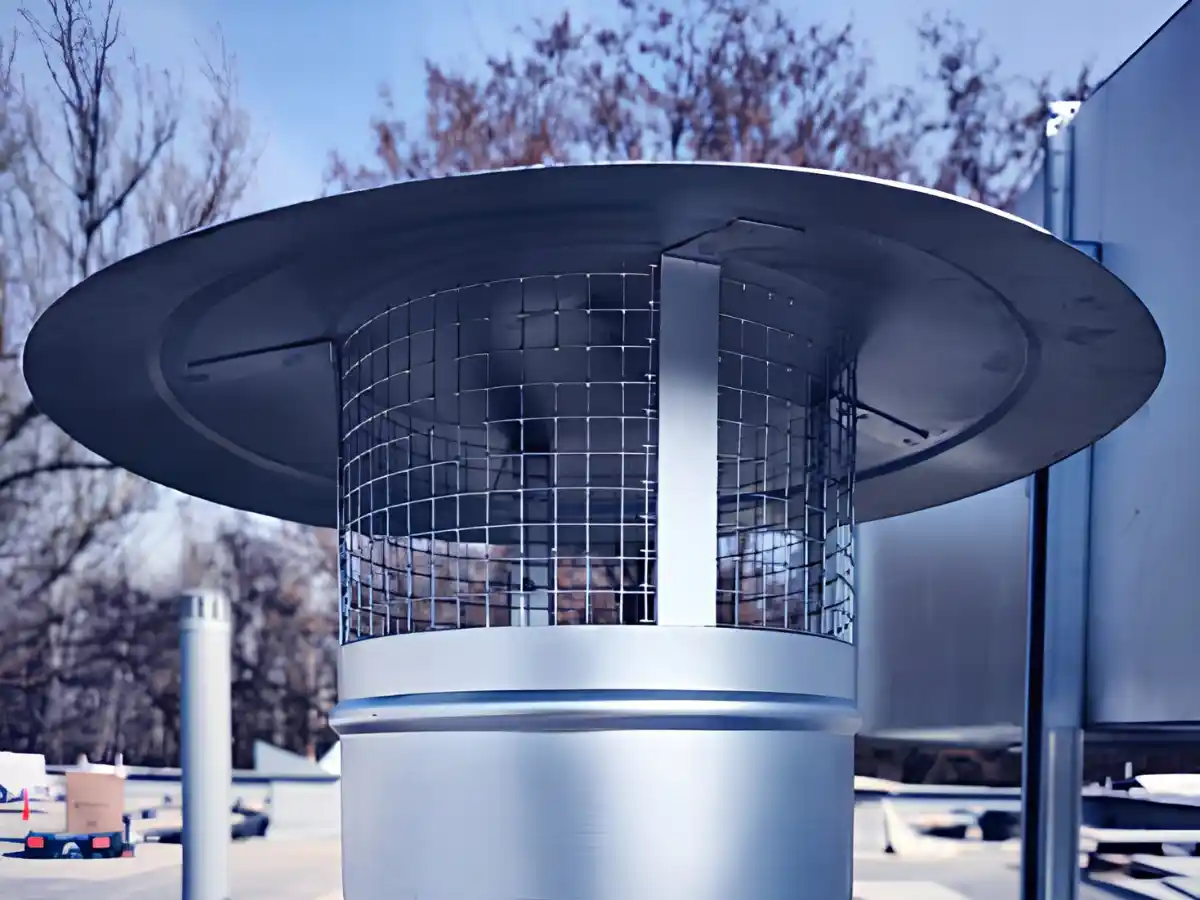
Poor draft can come from a blocked flue, a clogged cap screen or a house that is tightly sealed. If smoke spills into the room, stop and have the system checked.
Seasoning matters as much as species. A log can look dry on the outside and still hold plenty of water at its center, which is why a meter reading beats a guess. Stack it with the cut ends facing the wind, and give it a full season before it goes anywhere near your hearth.
What a sweep removes
A sweep takes out soot, creosote and debris from the firebox, smoke chamber and flue. Technicians use rods and brushes sized to the flue, plus a vacuum to keep dust inside the house to a minimum. Afterward they look at what the cleaning revealed.
That last step matters. Removing deposits exposes cracked liner tile, loose mortar and damper trouble that were hidden before. Our chimney cleaning service and sweeping both include that look as part of the visit.
- Protect the hearth and floor with drop cloths
- Brush the flue from top or bottom depending on access
- Vacuum the firebox and smoke shelf
- Check the liner, damper and cap
- Tell you what was found and what, if anything, needs attention
Why it matters for safety
Creosote is combustible. If a hot spark or flame reaches a heavy deposit, it can ignite inside the flue and burn at very high temperatures. That heat can crack liners, damage masonry and reach framing near the chimney.
A loud roar, dense smoke or flames from the cap mean a chimney fire. Get everyone out and call 911. Afterward, do not use the fireplace until a professional inspects the entire system.
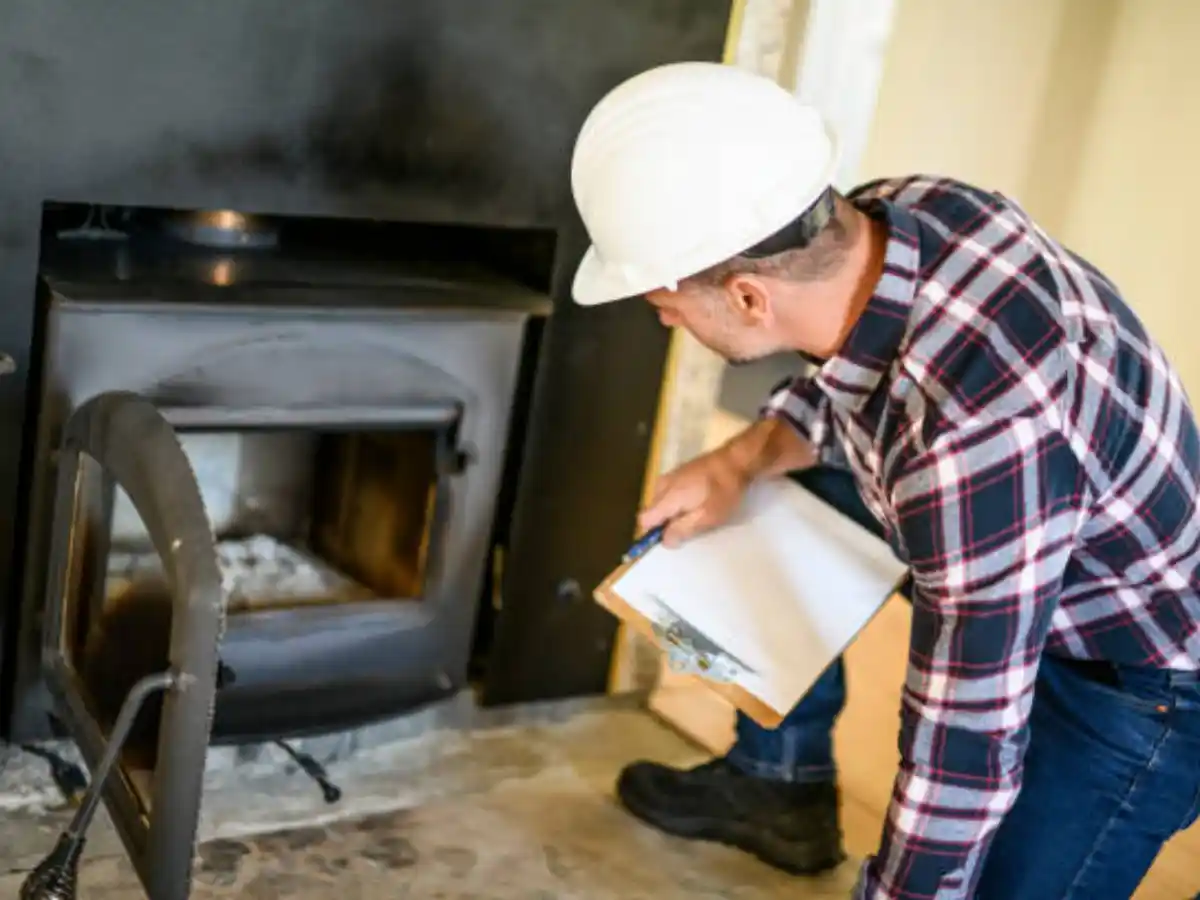
Regular inspection and cleaning, combined with dry wood and good airflow, keep deposits low. A chimney inspection will tell you how heavy the buildup actually is.
Insurers and fire marshals tend to ask a simple question after any chimney fire: when was it last cleaned? A dated record from a visit is useful to keep with your home paperwork.
Need it fixed?
Chimney Cleaning across Colorado and Orange County
Describe the problem by phone or form, and a technician will set up a visit.
Frequently asked questions
Does a gas fireplace produce creosote?
Not in the way wood does. Gas leaves little soot and no heavy tar. The venting can still corrode or clog, so a yearly look remains worthwhile even when nothing needs scrubbing.
Can I clean creosote myself?
Light soot can be brushed, but hard or glazed deposits are tough and the work means climbing onto a roof. A sweep has the rods, brushes and vacuum for the job and can examine the flue while cleaning it.
Do creosote logs work?
They are sold as a maintenance aid, not a substitute for sweeping. They do not remove heavy deposits and do not replace an inspection of the flue.
How can I tell if I have a lot of creosote?
Scrape the flue wall with a tool. Visible black buildup, a strong smoky odor in humid weather or a shiny coating are cues. A technician with a light or camera can confirm it.