 Liberty Chimney Service
Ask ten homeowners when their chimney was last looked at and you will get ten different answers, most of them starting with "I think it was when we bought the house." That is common, and it is also how small defects turn into large ones.
The guidance below comes from two industry sources: NFPA 211, the fire-protection standard for chimneys and vents, and the Chimney Safety Institute of America. Local codes and your appliance maker's manual can ask for more, so treat this as the baseline.
The yearly baseline
NFPA 211 asks for every chimney, fireplace and vent to get a yearly inspection. Fireplaces that see weekly fires, a few gas-log evenings or no use at all are all covered. A silent chimney can still hide a cracked liner, a nest or water damage.
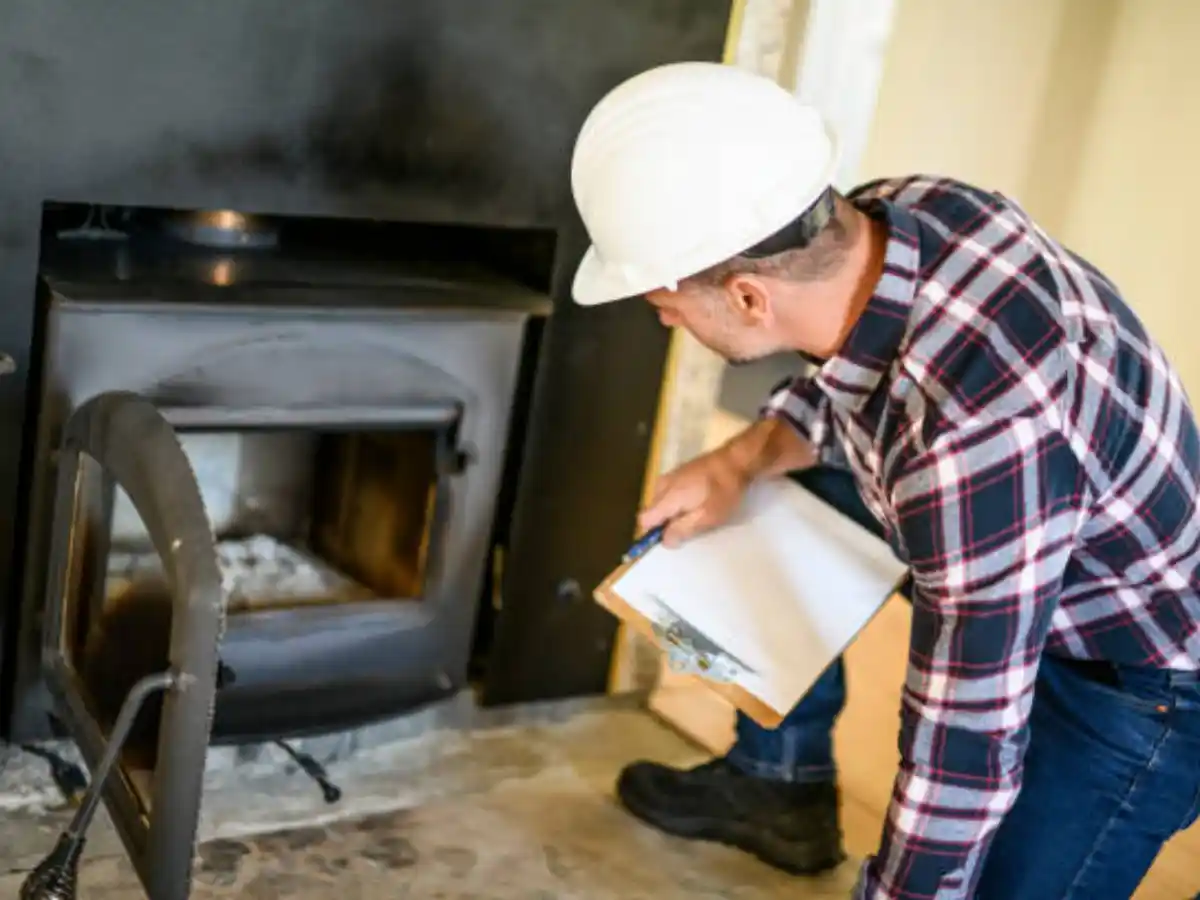
The yearly visit is a look, not a scrub. A technician checks that the flue is open, that the visible parts of the system are sound, and that nothing has changed since last time. If everything checks out, you are done until next year.
Schedule it for the quiet months. Spring and summer are easier to book, and any repair that turns up has time to get done before the heating season.
When a sweep is due
Sweeping does not follow the calendar. CSIA advises sweeping a chimney when about 1/8 inch of soot has built up on the flue walls. A household that burns seasoned wood nightly may reach that point in a single season. Someone who burns a few fires a year may go much longer.
That is why the inspection comes first. It tells you how much deposit is there, and whether it is light soot or something harder. Our chimney sweep service then removes what the inspection found.
What speeds buildup up
- Burning wood that is still damp
- Fires kept small and smoldering, with the damper nearly closed
- An oversized or undersized flue for the appliance
- A cold, outside-wall chimney that cools smoke quickly
- Heavy use through a long winter
The three inspection levels
NFPA 211 defines three levels. Each one goes further than the last, and the right one depends on the situation rather than on how nervous you feel.
| Level | What it covers | Typical situation |
|---|---|---|
| Level 1 | Visual check of the readily accessible parts of the chimney, appliance and connections, plus a look for obstructions and deposits | Routine yearly visit when nothing has changed |
| Level 2 | Everything in Level 1, plus accessible attics, crawl spaces and basements, and a camera scan of the flue interior | Sale or transfer of the home, a new appliance or fuel type, or after a chimney fire or storm event |
| Level 3 | Everything in Level 2, with removal of parts of the building or chimney where needed to reach concealed areas | A serious hidden hazard is suspected |
Most homeowners only ever need the first two. Our chimney inspection page explains what the camera step involves and what you receive afterward.
Putting together a schedule
Start from the yearly inspection and let the findings set the rest. A reasonable pattern looks like this:
- Book a Level 1 inspection once a year, ahead of the first fire.
- Sweep whenever the technician finds soot at or beyond about 1/8 inch, or any glazed deposit.
- Ask for a Level 2 inspection when you buy or sell the house, change appliances or fuel, or after a chimney fire.
- Repair what the report lists before you light the next fire, not after.
Some chimney fires are quiet. They burn out without anyone noticing, but they can still crack tile liners and loosen mortar. If you heard a roaring sound, saw dense smoke from the cap or found puffy, honeycombed creosote afterward, stop using the fireplace until a Level 2 inspection clears it.
Gas units and chimneys you rarely use
Gas burns cleaner, so a gas-fired chimney collects far less soot. It still needs the yearly look. Moisture, corrosion and blockages can damage the venting even when there is nothing to sweep.
A fireplace that sits unused for a couple of years deserves the same attention. Before the first fire in a long time, have the flue checked. Nests, fallen debris and deteriorated mortar all arrive without any help from you.
Need it fixed?
Chimney Inspection across Colorado and Orange County
Describe the problem by phone or form, and a technician will set up a visit.
Frequently asked questions
Does the yearly inspection include a sweep?
Not automatically. The inspection finds out whether a sweep is needed. If the technician sees enough soot or any hard glazed deposit, a sweep is the next step. Some households need both every year, others only the inspection.
I only burn a few fires a season. Can I skip a year?
The standard says to inspect at least annually regardless of use. You may not need a sweep each year, but the inspection still checks the liner, crown, cap and masonry, which weather and age affect whether or not you light a fire.
What is the difference between Level 1 and Level 2?
Level 1 is a visual check of what can be reached easily. Level 2 adds access to attics and crawl spaces and a camera scan of the flue. Level 2 applies after changes to the system, a sale of the home or an event such as a chimney fire.
Who decides which level I need?
The situation does. A routine yearly check is Level 1. A change of appliance, fuel or ownership, or an incident, calls for Level 2. If the technician suspects something hidden, they will explain why a deeper look is warranted.