 Liberty Chimney Service
A chimney is the tallest, most exposed part of the house. Rain, snow, wind and sun hit it from every side, and masonry soaks up moisture like a sponge. Most of the time that is harmless. The trouble starts when water finds a path inward.
Below are the places a chimney usually leaks, the signs that give it away, and how to separate surface weathering from a problem that needs a visit.
Where water gets in
Begin at the roofline and move down. Water follows the easiest path, and on a chimney that path is nearly always one of five places.
- Crown. The cement slab on top sheds water away from the flue. Once it cracks, rain runs into the masonry below. See crown repair.
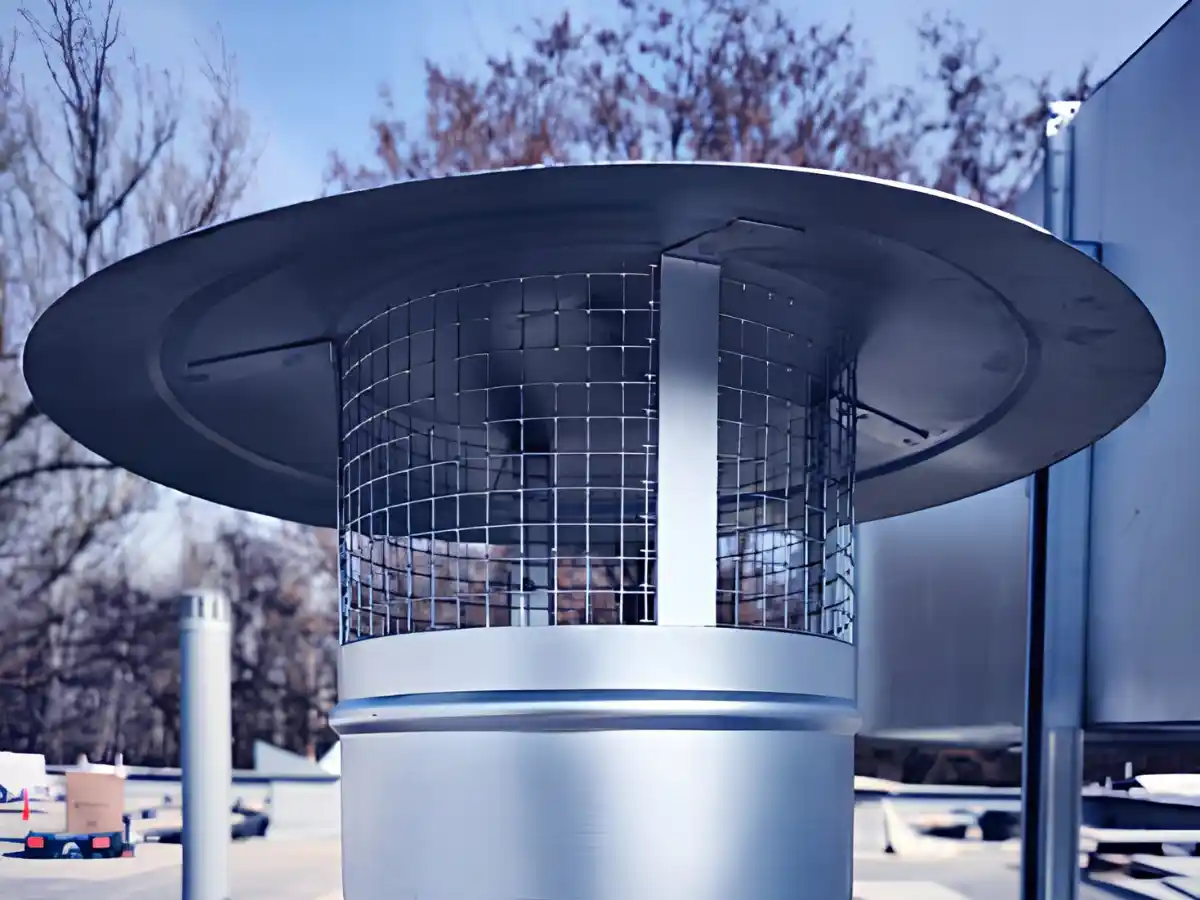
- Cap. A missing or loose cap leaves the flue open to rain and animals. A chimney cap covers it.
- Flashing. The metal at the roofline seals the joint between brick and shingles. Lifted or rusted edges let water slip behind it.
- Mortar joints. Open or sandy joints give water a direct path into the wall.
- The brick itself. Older or soft brick can absorb more water than it can shed.
Several of these can fail together. A hairline crown crack feeds water into the top courses of brick, which loosens mortar, which lets in more water. Treating them as a chain, not as isolated problems, is how a repair holds up.
Signs you can spot inside the house
Interior clues tend to appear after the damage has been going on for a while.
- Brown or yellow stains on the ceiling or wall around the chimney breast
- Peeling paint or wallpaper near the fireplace
- A musty or damp smell when the fireplace is cold
- Rust on the damper, firebox or fireplace doors
- Water on the hearth after heavy rain
A stain that grows after rain and stays dry in clear weather points to a roof-level source. A stain that never dries may be condensation or a plumbing issue and needs a different search.
Smells deserve attention too. A damp, earthy odor that grows stronger on humid days often means the flue or smoke chamber is holding water, even with no stain in sight.
Signs you can spot outside
White, chalky staining
This is efflorescence. Water moves through the masonry, dissolves salts and leaves them on the surface as it evaporates. It is not harmful on its own. It is proof that water is traveling through the wall, and it tells you where.
Flaking or crumbling brick faces
Spalling means the outer layer of the brick is breaking away. Moisture inside the brick expands when it freezes, and the surface pops off. Mortar that crumbles when you rub it belongs in the same category. Both usually call for masonry repair or tuckpointing rather than a coating.
Other clues
- Hairline cracks across the crown
- Rust streaks running down from the cap or flashing
- Green or black growth on the north side of the stack
- Gaps between flashing and brick
What waterproofing does and does not do
A breathable water-repellent treatment slows the amount of water the brick absorbs while letting vapor escape from inside. It works on sound masonry. It does not close cracks, replace missing mortar or fix flashing.
That is why the order matters. Repair first, then treat. Sealing over a damaged crown just traps the problem. Our waterproofing service starts with a look at the surfaces that need fixing before anything gets applied.
Film-forming sealers can trap moisture inside the wall. In cold weather that trapped water freezes and pushes brick faces off. Use a product made for masonry that allows vapor to pass through.
What to do when you see these signs
Take photos of stains and note when they appear. Is it after rain, after snowmelt, or all the time? That detail helps a technician narrow the source faster than any amount of guessing.
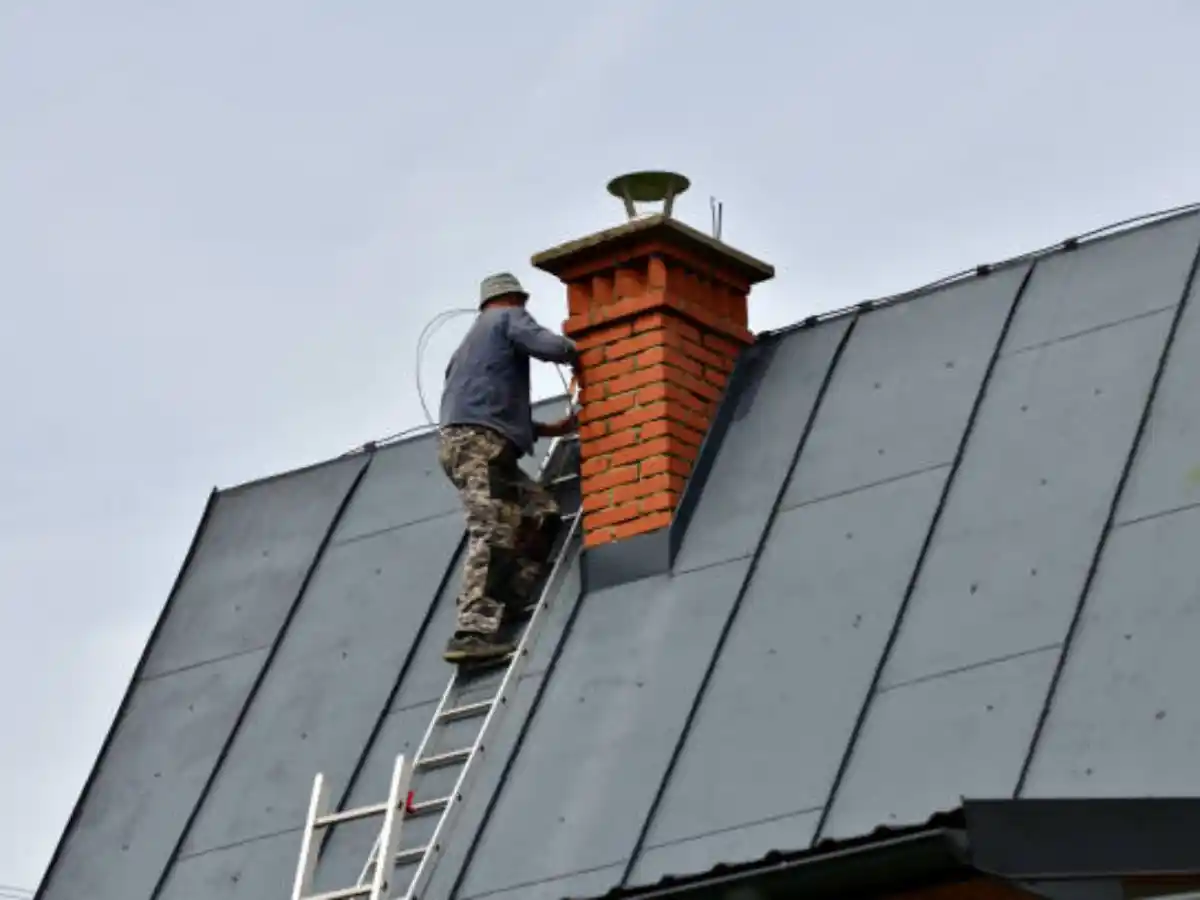
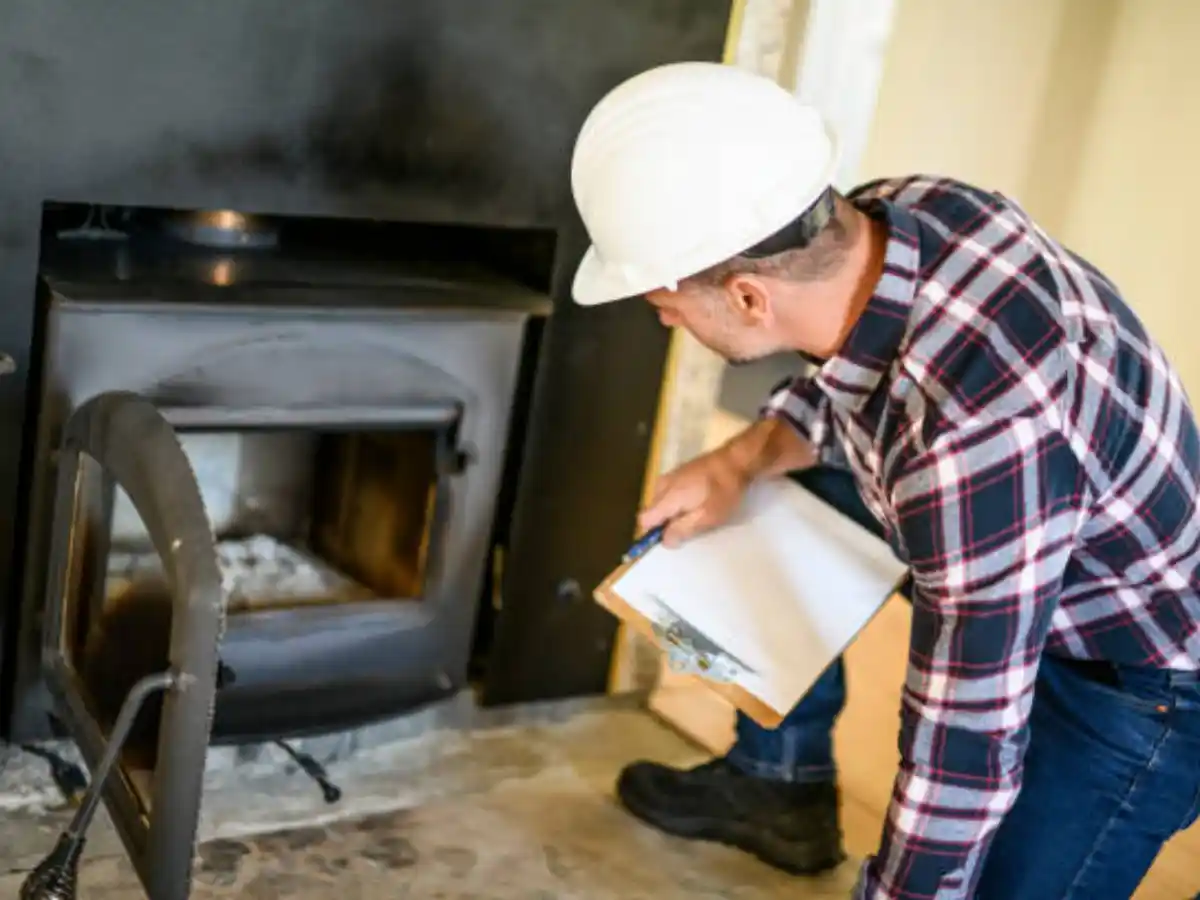
Then book a chimney inspection. A thorough check of the crown, cap, flashing and masonry usually reveals where the water is coming from, and whether the fix is a small repair or something larger.
If the fireplace sits unused during the wet months, still check the firebox after a storm. A damp hearth or a rusty damper tells you something even when you have no plans to light a fire.
Need it fixed?
Chimney Waterproofing across Colorado and Orange County
Describe the problem by phone or form, and a technician will set up a visit.
Frequently asked questions
Can a chimney leak without any visible damage outside?
Yes. Flashing can lift slightly or a crown can develop fine cracks that are hard to see from the ground. Stains inside the home are often the first sign, and a close look from the roof is how the source gets confirmed.
Is white staining on brick a problem?
Efflorescence is a symptom more than a defect. The salts are harmless, but they show that moisture is moving through the wall. If the staining returns after cleaning, it is worth finding where the water enters.
Will a sealer stop my chimney from leaking?
Only when the leak comes from brick absorbing water. Cracked crowns, failed flashing and open joints need repair first. A breathable treatment goes on afterward to protect the repaired surfaces.
Can I check the flashing myself?
You can look from the ground or through binoculars for lifted edges, rust and gaps. Climbing a roof is a fall risk, so leave the close inspection to someone with the right equipment.